Flammable Gases (LEL): Understanding and Prevention

Flammable gases are among the significant hazards in many industries, such as petrochemicals, energy production, and metal welding. These gases pose a particular risk when their concentration reaches the explosive range, defined by the LEL (Lower Explosive Limit), or the "lower limit of flammability."
What is LEL?
LEL refers to the minimum concentration of a gas or vapor in the air that can ignite when exposed to an ignition source, such as heat or sparks. If the gas concentration is below the LEL, it will not ignite because there is insufficient fuel.
Examples of LEL for common gases:
Methane: 5%
Propane: 2.1%
Hydrogen: 4%
Factors Influencing Ignition
1. Gas concentration: If the concentration is above the LEL and within the flammable range, the gas can ignite.
2. Ignition source: Such as electrical equipment, sparks from metals, or heat sources.
3. Oxygen levels in the air: Adequate oxygen levels are crucial for combustion.
Importance of LEL Detection
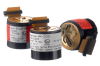
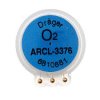
In areas where flammable gases are used or stored, monitoring LEL levels is essential for accident prevention. Gas detectors that provide alerts when the gas concentration approaches the LEL significantly reduce risks.
Preventing Accidents from Flammable Gases
1. Install gas detection systems: Ensure that work areas are equipped with appropriate and functional gas detectors.
2. Proper ventilation: Workspaces with flammable gases should have adequate ventilation systems to lower gas concentrations in the air.
3. Control ignition sources: Avoid using tools or equipment that could produce sparks.
4. Employee training: Educate employees on handling flammable gases and emergency response procedures.
Understanding and managing risks associated with flammable gases, particularly in terms of the LEL, are essential for protecting lives and property. Utilizing appropriate technology alongside employee training helps reduce the likelihood of accidents and creates a safer working environment.