Portable Gas Detector vs Fixed Gas Detector: Differences and Applications
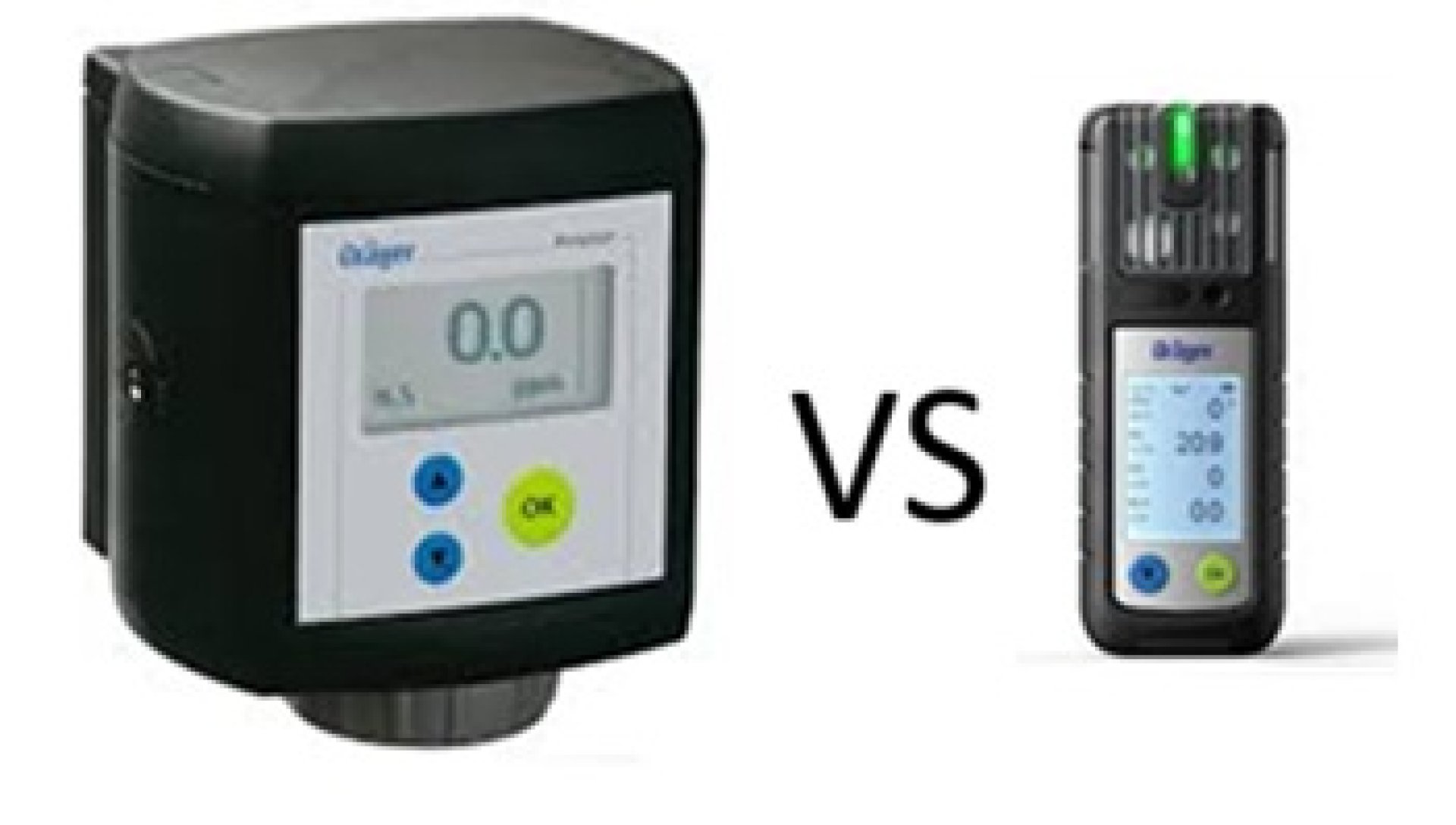
In industries that require gas monitoring and control, choosing the right gas detector is crucial. Two popular types of gas detectors are Portable Gas Detectors and Fixed Gas Detectors. Each type has unique features and advantages tailored to specific situations and needs. This article compares both types to help you make an informed decision.
Portable Gas Detector
1. Definition
A portable gas detector is designed for ease of use, lightweight, and mobility, allowing it to be used in various locations conveniently.
2. Key Features
- Highly portable: Ideal for temporary monitoring, such as inspecting specific high-risk areas.
- Long battery life: Operates in areas without power, thanks to rechargeable or replaceable batteries.
- Personal safety: Can be carried by individuals to ensure their safety.
3. Applications
- Used in maintenance tasks, such as inspecting areas prone to gas leaks.
- Suitable for emergency situations, such as responding to gas leaks.
- Perfect for personnel working in various locations requiring mobility.
4. Limitations
- Limited coverage area.
- Requires regular battery charging or replacement.
Fixed Gas Detector
1. Definition
A fixed gas detector is a stationary system installed to monitor and detect gas levels continuously in a specified area.
2. Key Features
- Continuous monitoring: Tracks and alerts changes in gas levels in real-time.
- Suitable for large areas: Designed for factories or locations requiring long-term surveillance.
- System integration: Can connect to control systems or alarm networks.
3. Applications
- Used in industrial facilities, such as oil refineries or chemical plants.
- Ideal for high-risk areas, such as laboratories.
- Deployed for long-term monitoring, such as air quality control in buildings.
4. Limitations
- Fixed installation, making it immobile.
- Requires regular maintenance and calibration.
Conclusion
Choosing between Portable Gas Detectors and Fixed Gas Detectors depends on the nature of the task and the area of application:
- If flexibility and spot-checking are needed, portable gas detectors are the better choice.
- For long-term monitoring in fixed locations, fixed gas detectors offer more value and effectiveness.
- Combining both types of gas detectors can enhance efficiency and safety in the workplace to the fullest extent.