Why Do We Detect Oxygen Instead of Nitrogen?
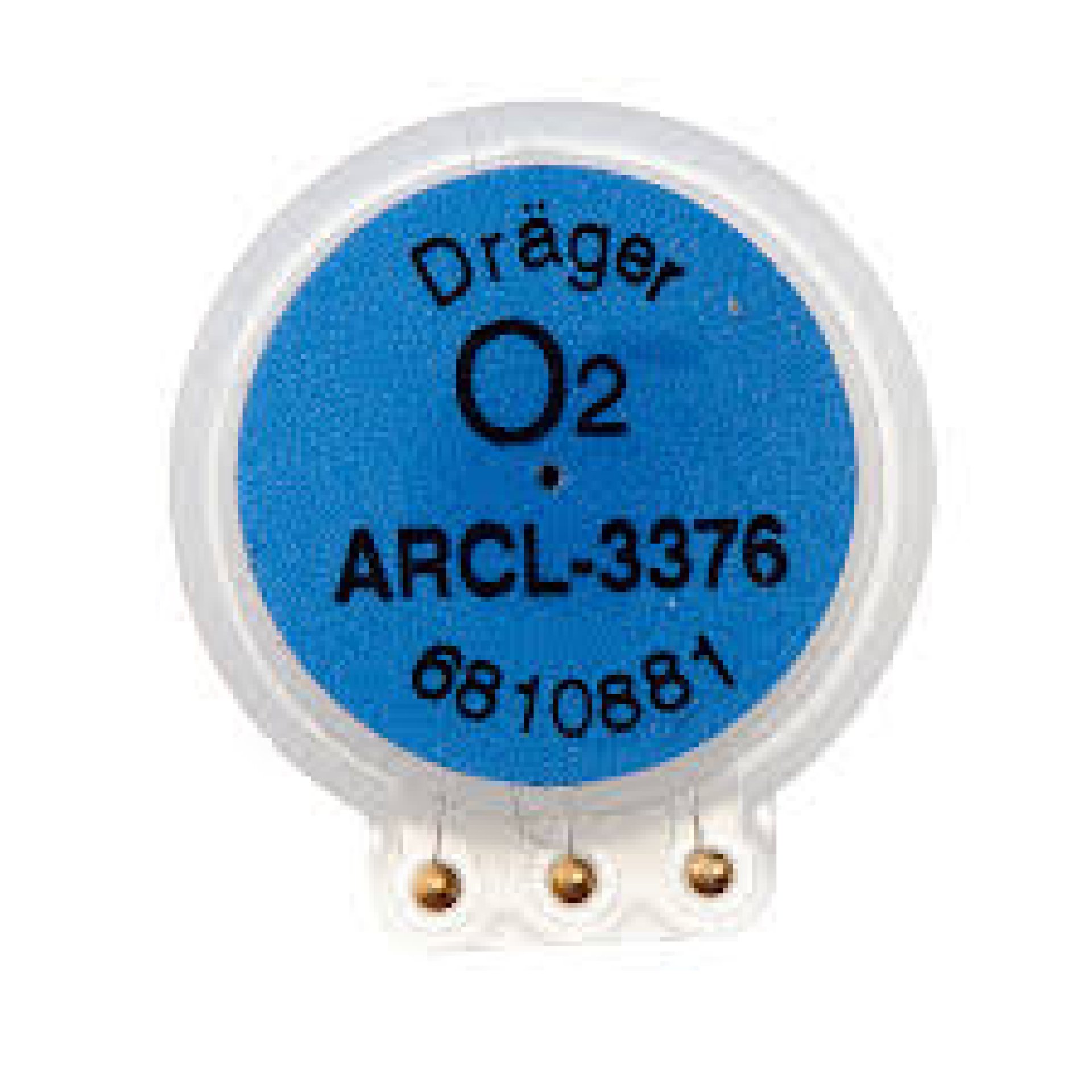
In Earth's atmosphere, nitrogen is the most abundant gas, making up about 78% of the air, while oxygen accounts for around 21%. Despite nitrogen's higher concentration, it is not the primary focus in gas detection systems. Instead, oxygen is often the gas we monitor. Here are the key reasons why:
1. Essential for Life
Oxygen is critical for the respiration of living organisms, especially humans and mammals. Various body systems require oxygen to produce energy. Therefore, oxygen monitoring is crucial in medical settings, industrial environments, and confined spaces to ensure life safety.
2. Indicator of Potential Danger
Monitoring oxygen levels can serve as an early warning sign of abnormal air conditions. A drop in oxygen levels may indicate a leak of an inert or hazardous gas, such as carbon dioxide or methane, which could lead to suffocation or unconsciousness.
3. Nitrogen Is Inert and Non-toxic
Although nitrogen is abundant, it is an inert gas by naturenon-toxic, non-flammable, and chemically stable. Detecting nitrogen is typically unnecessary because its presence does not pose a direct risk under normal conditions.
4. Advanced Oxygen Detection Technology
Modern oxygen sensors, such as electrochemical and ceramic-based sensors, are highly accurate, user-friendly, and affordable. This has made oxygen detection widespread and practical across various sectors.
While nitrogen dominates the atmosphere, its stable and harmless nature means its rarely a concern for safety monitoring. Oxygen, on the other hand, plays a vital role in sustaining life and is often used as a key indicator of air quality and environmental safety.