Gas Detection Tube: A Simple Yet Effective Tool
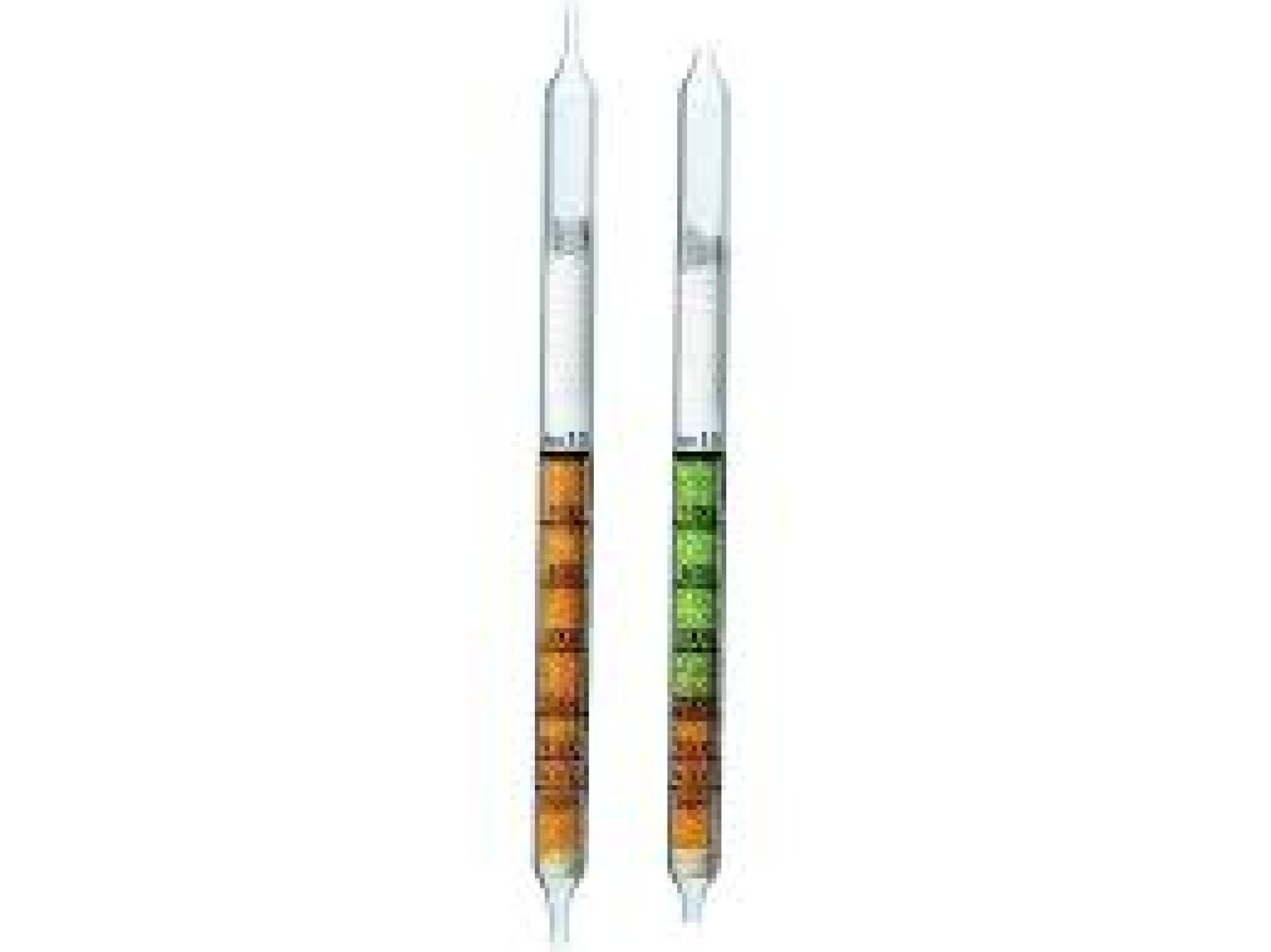
A Gas Detection Tube is a device used to measure the concentration or presence of gases in the air. This simple, cost-effective tool is widely used across various industries, such as wastewater treatment, chemical production, and environmental monitoring, due to its ease of use and efficiency.
How Gas Detection Tubes Work
Gas detection tubes function by passing air through a glass tube containing specific chemicals. These chemicals react with the target gas, causing a color change or other visible reactions. The primary components include:
1. Transparent Glass Tube
Contains chemicals that react with the target gas.
2. Manual Pump
Draws air through the tube to initiate the chemical reaction.
3. Concentration Scale
A scale on the tube indicates the gas concentration based on the reaction's intensity or length of color change.
Features and Advantages
1. Ease of Use
Requires no power source or complex setup.
2. Versatility
Available for detecting various gases, such as carbon monoxide (CO), hydrogen sulfide (H2S), and ammonia (NH3).
3. Cost-Effective
More affordable than electronic gas detectors.
4. Portable
Compact and lightweight, ideal for hard-to-reach areas.
5. Targeted Detection
Suitable for measuring a specific gas over a short period.
Steps for Usage
1. Choose the appropriate tube for the gas to be measured.
2. Break both ends of the glass tube using a tube cutter.
3. Insert the tube into the manual pump, ensuring alignment with the arrow on the tube.
4. Use the pump to draw air through the tube as specified in the instructions.
5. Read the gas concentration from the scale based on the chemical reaction's color change.
Applications in Industries
1. Chemical Industry
Detect toxic gases like hydrogen chloride (HCl) or sulfur dioxide (SO2).
2. Wastewater Treatment
Monitor methane (CH4) or toxic gases generated during decomposition.
3. Environmental Monitoring
Measure gases in pollution control, such as ozone (O3).
4. Food Industry
Detect carbon dioxide (CO2) or ammonia (NH3) during production processes.
Pros and Cons
Pros:
- Simple and quick to use.
- Requires no electrical power.
- Provides reasonable accuracy for preliminary checks.
- Measures only one type of gas per tube.
- Short shelf life compared to electronic instruments.
- May produce errors in high-humidity environments.
Precautions for Use
1. Store tubes in a dry, cool place away from sunlight.
2. Use the tubes within their specified shelf life for accurate results.
3. Ensure the manual pump is in good condition with no leaks.
4. Follow the manufacturer's instructions carefully.
Conclusion
Gas detection tubes are simple yet effective tools for monitoring gases in straightforward scenarios. Their ease of use, low cost, and capability to detect specific gases make them indispensable across various industries. However, proper selection and adherence to guidelines are essential to achieve accurate and reliable results.