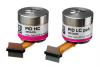
Electrochemical Sensors: Technology for Accurate and Rapid Detection
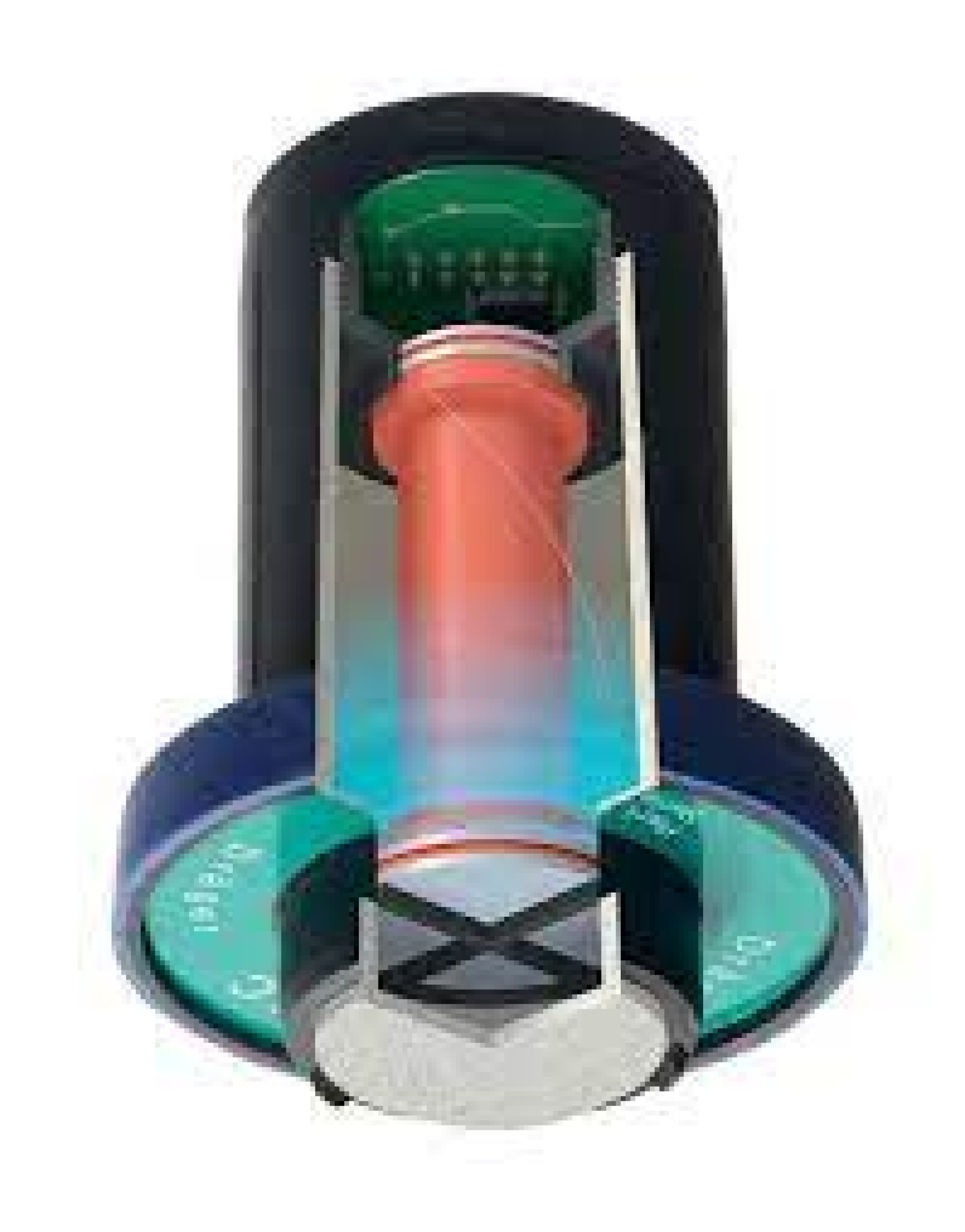
Electrochemical sensors are devices used to detect and analyze chemical substances by leveraging electrochemical reactions between the target substance and the sensor. These sensors play a crucial role in various fields such as medicine, environmental monitoring, industry, and food safety, thanks to their ability to detect minute amounts of substances with high precision.
Working Principle of Electrochemical Sensors
Electrochemical sensors operate by converting chemical signals into electrical signals. This process often involves electrodes that detect electrochemical reactions between the analyte and the sensor surface. The resulting electrical signal is then analyzed to interpret the concentration or properties of the target substance.
Types of Electrochemical Sensors
Electrochemical sensors can be categorized into several types based on their detection mechanism:
1. Amperometric Sensors: Measure the electric current generated by an electrochemical reaction, with the current proportional to the concentration of the target substance.
2. Potentiometric Sensors: Measure the voltage or electrical potential difference caused by ion concentration variations between two points.
3. Conductometric Sensors: Detect changes in the electrical conductivity of a sample.
Applications of Electrochemical Sensors
1. Medical Field: Used to monitor blood glucose levels for diabetes management or in bioanalytical devices for detecting biomolecules in clinical samples.
2. Environmental Monitoring: Measure pollutants in water or air, such as nitrites, heavy metals, and organic compounds.
3. Industrial Applications: Employed in quality control processes, such as detecting chemicals during manufacturing.
4. Food Industry: Used to detect contaminants or assess the quality of food products.
Advantages and Limitations of Electrochemical Sensors
Advantages:
- High accuracy and sensitivity
- Fast response time
- Low power consumption and portability
- Limited lifespan for some types
- Require regular calibration
- May be affected by interfering substances in the sample
Future Trends
With advancements in nanotechnology and material science, electrochemical sensors are becoming increasingly sensitive and precise. Innovations in wireless systems and Internet of Things (IoT) connectivity are also paving the way for smart sensors that can be used in a wide range of scenarios.
Electrochemical sensors are, therefore, a highly promising technology capable of addressing complex challenges in the present and future sustainably.