The Role of Relay Modules in Fixed Gas Detectors
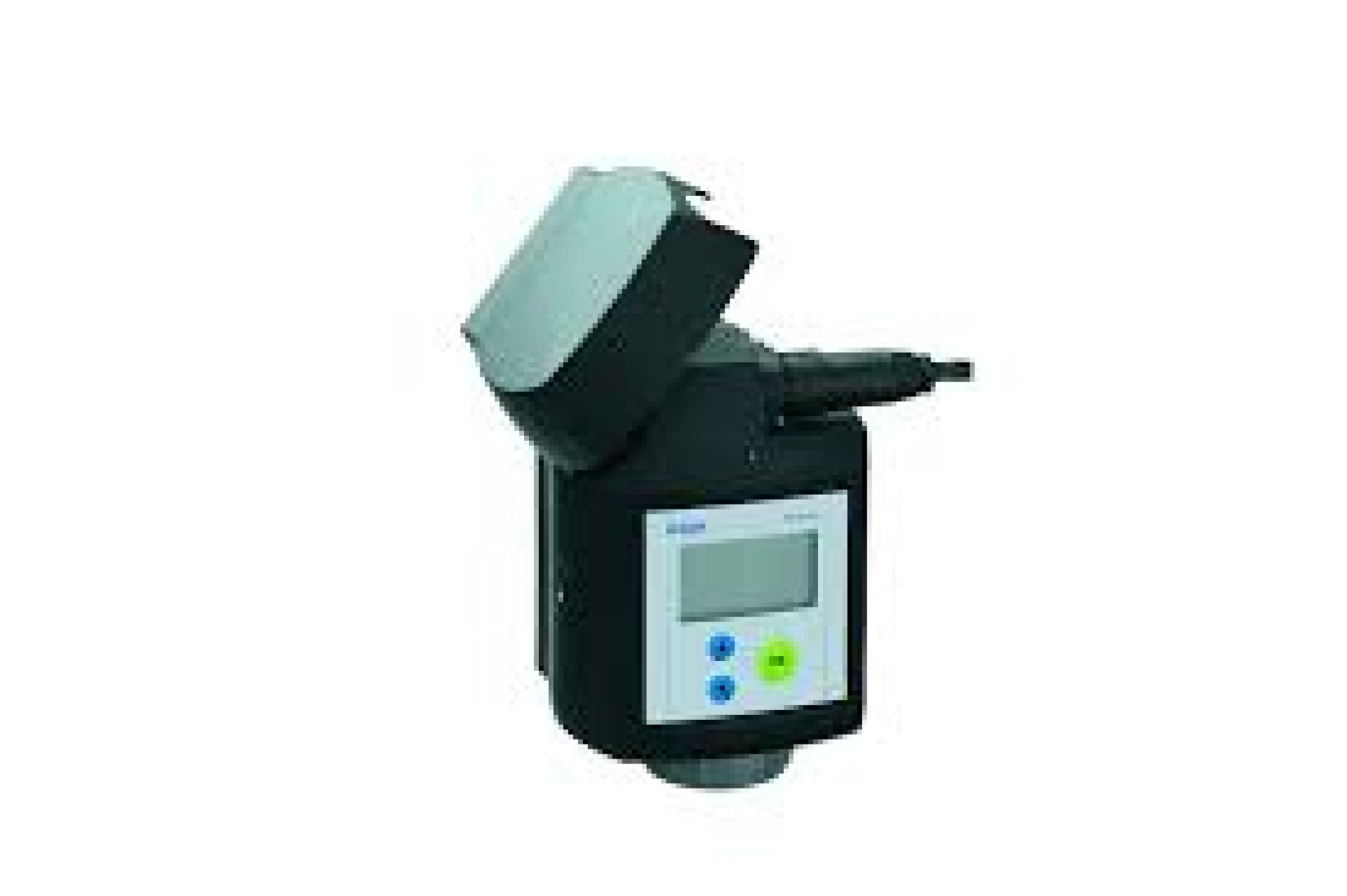
In a Fixed Gas Detection System, one of the essential components is the relay module. It serves as the interface between the gas detection unit and external devices, enabling automatic responses such as activating alarms, shutting down systems, or turning on ventilation when hazardous gas levels are detected.
What is a Relay Module?
A relay module is an electronic switch that controls the opening and closing of an electrical circuit. It receives a low-voltage control signal, typically from the gas detector, and uses that signal to control a high-voltage devicesuch as an alarm, emergency light, or ventilation fan.
Role of the Relay Module in a Gas Detection System
When a fixed gas detector senses gas concentrations exceeding the preset threshold, it sends an electrical signal to the relay module. The relay then triggers pre-configured responses, such as:
- Gas levels exceed limit: The relay activates a siren and flashing light.
- Automatic alarm signaling: The relay communicates with a central control system or SCADA system to send alerts.
- Auxiliary device control: The relay can turn on exhaust fans or close gas valves automatically.
1. High flexibility: Responses can be customized based on gas concentration levels.
2. Enhanced safety: Reduces the risk of gas-related hazards through automatic system reactions.
3. Supports high-load control: Can manage high-voltage equipment without interfering with low-voltage control circuits.
The relay module is a key element in ensuring the reliability and safety of a fixed gas detection system. By serving as the bridge between detection and response, it enables swift, automated actions that protect people, equipment, and facilitiesparticularly in industrial or hazardous environments.