Portable Gas Detector: A Tool for Ensuring Safety
Last updated: 22 Dec 2024
2571 Views
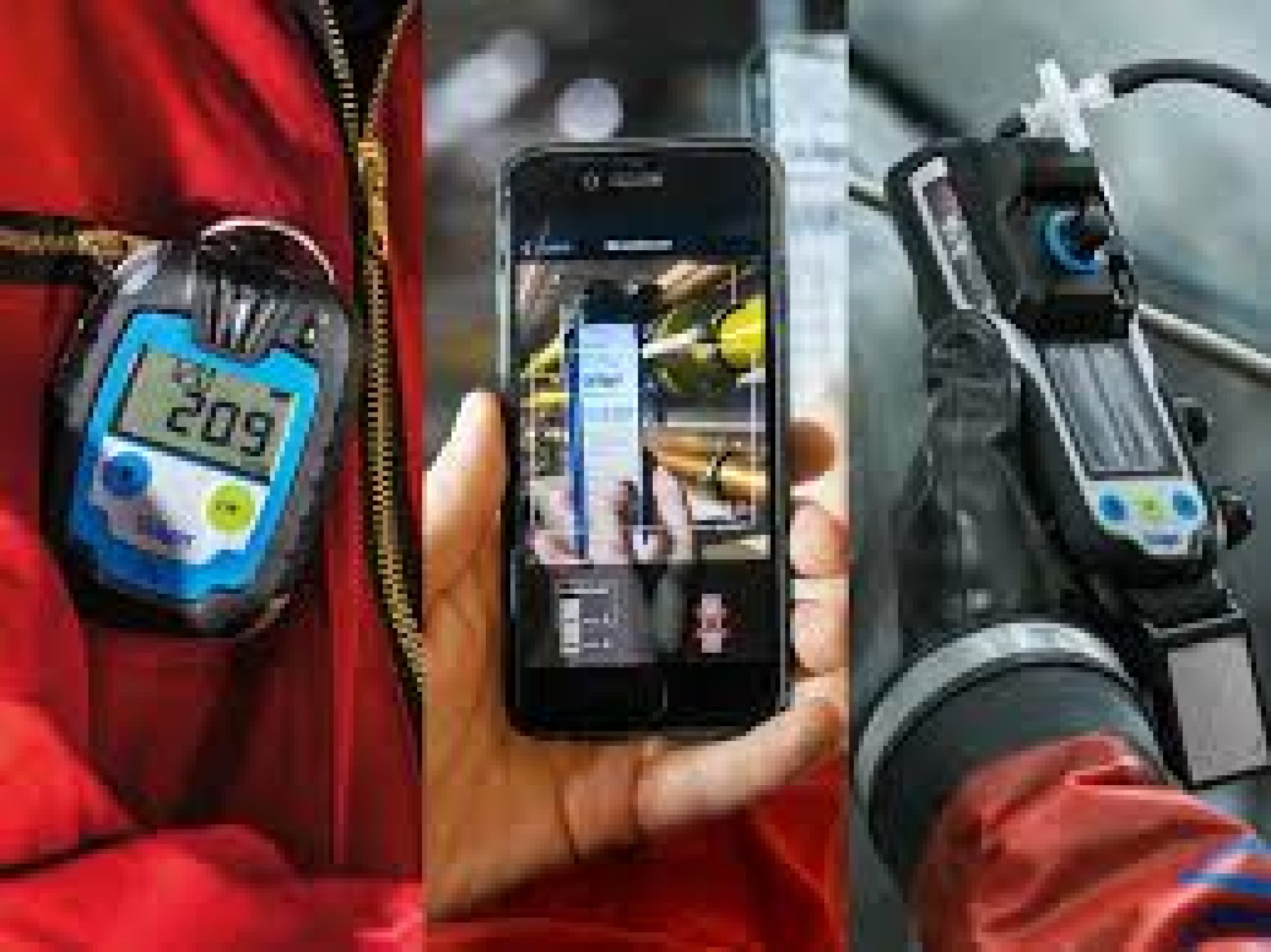
The Portable Gas Detector is an essential device used to monitor and measure gas levels in the air to prevent potential hazards caused by gas leaks in workplaces or various environments. It plays a crucial role in protecting lives and property, particularly in industries dealing with chemicals, energy, and oil.
How a Portable Gas Detector Works
Portable gas detectors operate through the following components:
1. Gas Detection Sensors: Specialized sensors designed to detect specific types of gases, such as:
3. Portability and Battery Power: Designed to be compact, lightweight, and powered by batteries for convenient and flexible use.
Benefits of a Portable Gas Detector
1. Enhanced Safety: Detects hazardous gases, including flammable, toxic gases, or oxygen deficiency.
2. Risk Mitigation: Prevents explosions or fires caused by flammable gases.
3. Real-Time Monitoring: Provides immediate alerts when gas levels fluctuate.
4. Suitability for Confined Spaces: Ideal for areas like pipelines, tanks, or enclosed environments where hazardous gas accumulation is possible.
Applications in Industries
1. Single Gas Detectors: Designed to detect a single type of gas, such as carbon monoxide (CO) or oxygen (O2).
2. Multi-Gas Detectors: Capable of detecting multiple gases simultaneously, such as flammable gases, CO, O2, and H2S.
3. Specialized Detectors: For high-precision tasks, such as detecting complex volatile compounds.
How to Choose a Portable Gas Detector
1. Type of Gas to Detect: Select a detector suitable for the specific gases in your work environment.
2. Durability and Safety Standards: Ensure the device meets standards like ATEX or UL for hazardous areas.
3. Ease of Use and Maintenance: Choose a detector that is user-friendly and offers after-sales support.
4. Additional Features: Consider options like data logging or integration with other systems.
Precautions When Using Portable Gas Detectors
The Portable Gas Detector is an indispensable tool for preventing gas-related hazards in workplaces. It enhances safety, reduces risks, and instills confidence in workers. Selecting the right device and maintaining it properly is crucial for ensuring optimal performance and safety.
How a Portable Gas Detector Works
Portable gas detectors operate through the following components:
1. Gas Detection Sensors: Specialized sensors designed to detect specific types of gases, such as:
- Catalytic sensors: For detecting flammable gases.
- Electrochemical sensors: For detecting toxic gases, such as carbon monoxide (CO).
- Infrared sensors: For gases like carbon dioxide (CO2).
3. Portability and Battery Power: Designed to be compact, lightweight, and powered by batteries for convenient and flexible use.
Benefits of a Portable Gas Detector
1. Enhanced Safety: Detects hazardous gases, including flammable, toxic gases, or oxygen deficiency.
2. Risk Mitigation: Prevents explosions or fires caused by flammable gases.
3. Real-Time Monitoring: Provides immediate alerts when gas levels fluctuate.
4. Suitability for Confined Spaces: Ideal for areas like pipelines, tanks, or enclosed environments where hazardous gas accumulation is possible.
Applications in Industries
- Energy Industry: Detecting leaks of natural gas or fuel gas.
- Chemical Industry: Preventing hazards from toxic gases, such as hydrogen sulfide (H2S).
- Construction Industry: Ensuring safety in confined spaces.
- Disaster Response: Used in emergencies, such as toxic gas leaks or air contamination.
1. Single Gas Detectors: Designed to detect a single type of gas, such as carbon monoxide (CO) or oxygen (O2).
2. Multi-Gas Detectors: Capable of detecting multiple gases simultaneously, such as flammable gases, CO, O2, and H2S.
3. Specialized Detectors: For high-precision tasks, such as detecting complex volatile compounds.
How to Choose a Portable Gas Detector
1. Type of Gas to Detect: Select a detector suitable for the specific gases in your work environment.
2. Durability and Safety Standards: Ensure the device meets standards like ATEX or UL for hazardous areas.
3. Ease of Use and Maintenance: Choose a detector that is user-friendly and offers after-sales support.
4. Additional Features: Consider options like data logging or integration with other systems.
Precautions When Using Portable Gas Detectors
- Check the battery status before use.
- Calibrate the device regularly to maintain accuracy.
- Avoid using the device in environments beyond its operating limits.
The Portable Gas Detector is an indispensable tool for preventing gas-related hazards in workplaces. It enhances safety, reduces risks, and instills confidence in workers. Selecting the right device and maintaining it properly is crucial for ensuring optimal performance and safety.


Related Content

Measuring the concentration of substances in air, water, or other materials is crucial in various fields such as industry, chemistry, and environmental science. Commonly used units include PPB (Parts Per Billion), PPM (Parts Per Million), and Vol.% (Volume Percent).
30 Mar 2025

A Portable Single-Gas Detector is a compact device designed to measure and monitor the concentration of a specific gas in the air, such as carbon monoxide (CO), hydrogen sulfide (H₂S), or oxygen (O₂). Its small size, lightweight design, and versatility make it ideal for various applications, especially in environments with potential toxic gas exposure or oxygen deficiency.
15 Dec 2024

VOCs, or Volatile Organic Compounds, are organic compounds that easily evaporate into vapor or gas at normal temperature and pressure. These substances are commonly found in chemical products we use daily, such as paints, solvents, cleaning agents, and adhesives. VOCs can also occur naturally from plants and various processes like fuel combustion.
16 Feb 2025
