PID Sensor (Photoionization Detector): Functionality and Applications
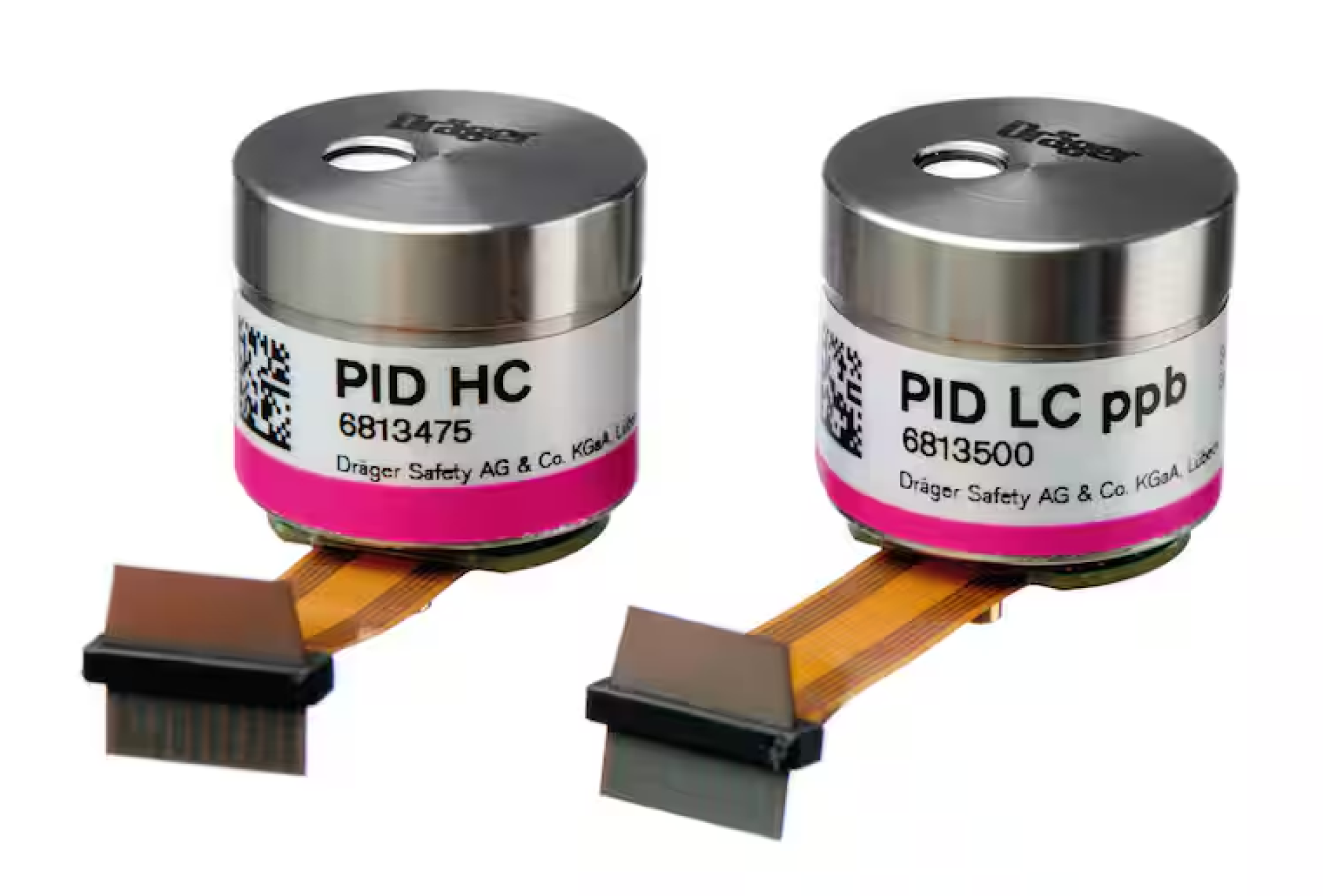
PID Sensor (Photoionization Detector) is a highly sensitive device for detecting airborne chemical substances. It is widely used in industries, safety applications, and environmental monitoring, especially for detecting volatile organic compounds (VOCs) and hazardous gases at low concentrations.
How PID Sensors Work
PID sensors operate based on the principle of photoionization, where high-energy ultraviolet (UV) light is used to ionize chemical molecules in the air. This process generates electrical charges in the target substances, and the sensor measures the resulting electric current, which corresponds to the concentration of the detected substance.
Steps in operation:
1. UV light is emitted from a UV lamp.
2. The molecules of the target chemical are ionized.
3. Electrons and positive ions are generated.
4. The electrons are collected by the electrode.
5. The system converts the signal into the concentration of the chemical.
Applications of PID Sensors
1. Environmental Monitoring
- Detect VOCs in industrial facilities.
- Measure air quality in workplaces.
2. Safety and Security
- Detect hazardous chemicals in factories or high-risk areas.
- Used by firefighters to locate chemical sources that may cause explosions.
3. Wastewater Treatment
- Detect VOC contamination in water systems.
4. Medical and Research Fields
- Used in laboratories requiring precise chemical detection.
Advantages of PID Sensors
- High Sensitivity: Can detect chemicals at very low levels (ppm or ppb).
- Fast Response: Provides near-instantaneous detection.
- Portability: Available in portable models for field use.
Limitations
- High Cost: Equipment and maintenance can be expensive.
- Low Specificity: Cannot differentiate between chemical types directly; may require complementary technologies.
- Maintenance Requirements: UV lamps need special care and regular maintenance.