Infrared Sensors in Gas Detection Devices: Principles and Applications
Last updated: 17 Jan 2025
3153 Views
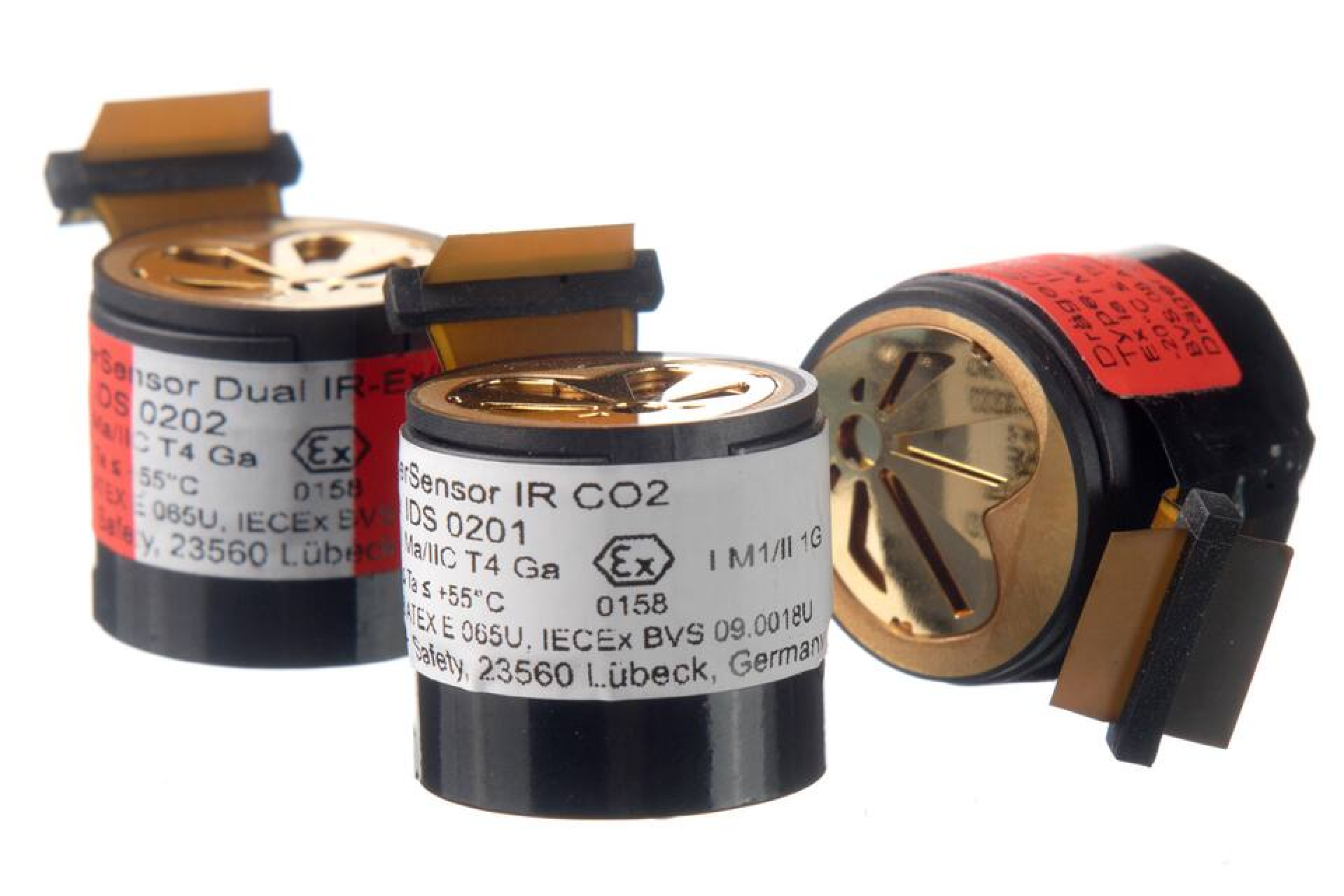
Infrared Sensors play a critical role in gas detection devices due to their high sensitivity, accuracy, and ability to detect colorless and odorless gases in low concentrations. This technology is essential in various industries such as energy, environmental monitoring, and safety management.
How Infrared Sensors Work in Gas Detection DevicesInfrared sensors in gas detection devices operate based on the principle of infrared light absorption by gas molecules. Each type of gas absorbs infrared light at specific wavelengths, allowing for precise identification and measurement.
Working process:
1. Infrared Light Source:
Infrared light is emitted from a source, such as an infrared LED or laser.
2. Passing Through the Gas Layer:
The infrared light travels through the target gas.
3. Light Absorption:
The gas molecules absorb infrared light at specific wavelengths.
4. Measurement of Remaining Light:
A detector measures the remaining infrared light and compares it with the initial intensity.
5. Signal Processing:
The system processes the data to calculate the gas concentration.
Applications of Infrared Sensors in Gas Detection Devices
1. Industrial Gas Detection
- Used in factories to monitor hazardous gases such as carbon dioxide (CO2) and methane (CH4).
- Detect gas leaks during production processes.
- Measure environmental gases, including greenhouse gases.
- Applied in HVAC systems to maintain indoor air quality.
- Utilized in portable gas detectors for rescue or firefighting operations.
- Monitor gases in mines to prevent explosions.
- Used in capnography devices to measure carbon dioxide levels in exhaled breath.
- High Sensitivity and Accuracy: Can detect low concentrations of gases.
- Non-contact Measurement: No direct contact with chemical substances is required.
- Resistant to Interference: Not affected by humidity or high temperatures.
- High Cost: Manufacturing and device costs are relatively expensive.
- Specificity: Wavelength settings must match the target gas.
- Size and Power Consumption: Some models may be bulky and consume significant energy.

Related Content
Gas detection plays a crucial role in industrial safety, especially in environments where gases can be toxic or explosive. Choosing the right tool is essential to ensure safety and efficiency. This article compares portable gas detectors and gas detector tubes to help users make informed decisions.
3 May 2025

The Portable Gas Detector is an essential device used to monitor and measure gas levels in the air to prevent potential hazards caused by gas leaks in workplaces or various environments. It plays a crucial role in protecting lives and property, particularly in industries dealing with chemicals, energy, and oil.
3 Dec 2024

In an era where manufacturing is driven by speed and precision, the PLC (Programmable Logic Controller) has become an indispensable standard.
13 Sept 2026
