Portable Single-Gas Detector: A Simple Yet Effective Tool
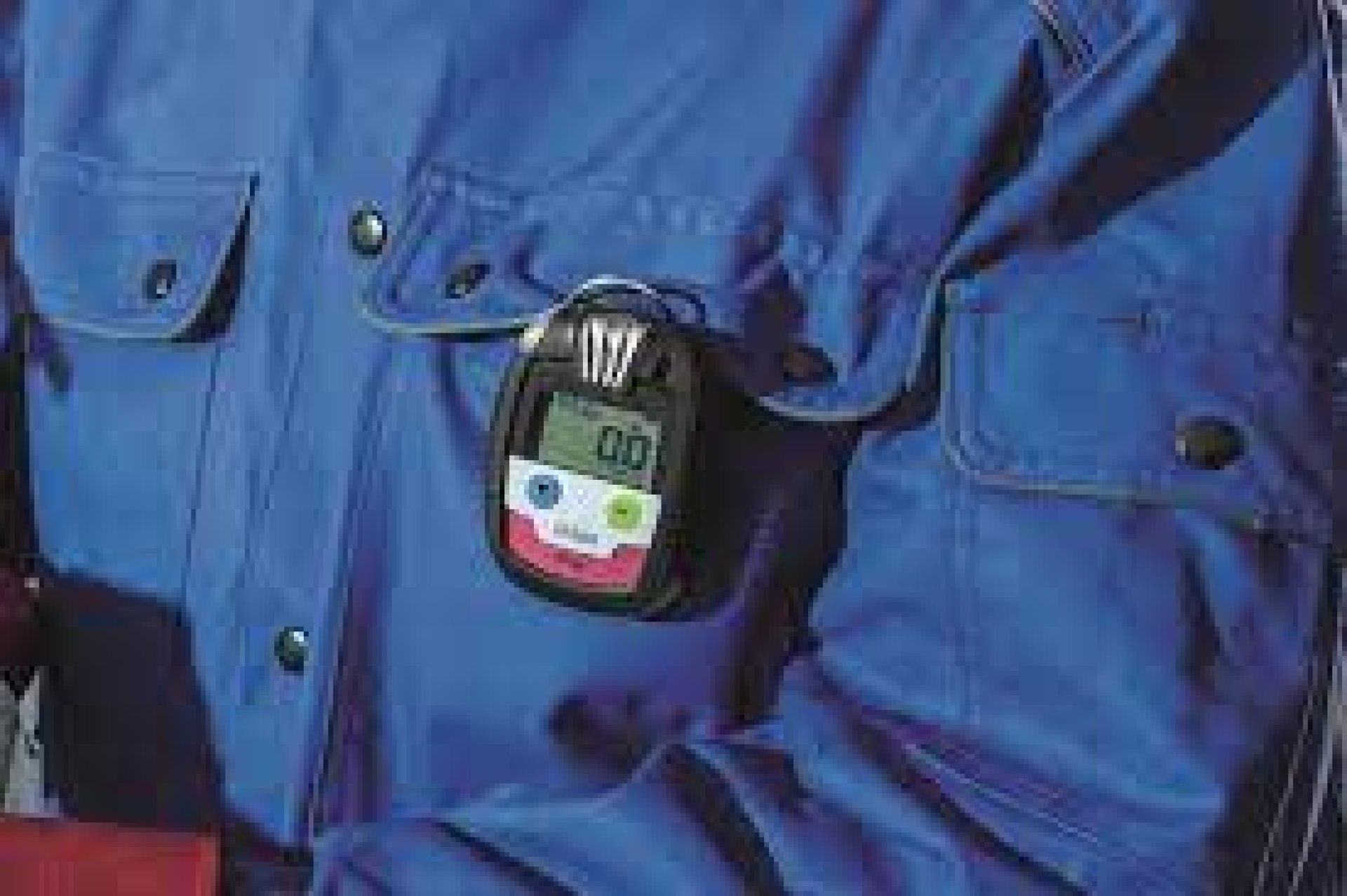
A Portable Single-Gas Detector is a compact device designed to measure and monitor the concentration of a specific gas in the air, such as carbon monoxide (CO), hydrogen sulfide (H2S), or oxygen (O2). Its small size, lightweight design, and versatility make it ideal for various applications, especially in environments with potential toxic gas exposure or oxygen deficiency.
How a Portable Single-Gas Detector Works
A portable single-gas detector operates using a sensor tailored to detect the target gas. The sensor analyzes the air and sends data to the device for real-time display and alerts. The key components include:
1. Gas Detection Sensor
The sensor is specialized for a single gas type, such as:
Electrochemical Sensors: For toxic gases like carbon monoxide (CO).
Catalytic Sensors: For combustible gases.
Galvanic Sensors: For measuring oxygen levels.
2. Alert System
Alerts the user with alarms, light signals, or vibrations when gas levels reach hazardous thresholds.
3. Display Screen
Shows real-time gas concentration data.
4. Built-in Battery
Enables extended use in the field.
Features and Benefits
1. Compact and Portable
Ideal for use in confined spaces or for carrying on the go.
2. Ease of Use
Requires minimal setup and is ready to operate almost instantly.
3. Accurate Gas Detection
Tailored for precise monitoring of a specific gas.
4. Immediate Hazard Alerts
The reliable alert system ensures user safety by providing timely warnings.
5. Durable for Various Environments
Designed to operate under diverse environmental conditions.
Applications Across Industries
1. Energy and Petroleum Industry
Detects flammable gases at oil drilling sites or refineries.
2. Chemical Industry
Monitors toxic gases like hydrogen sulfide (H2S) during production processes.
3. Construction and Mining
Checks oxygen levels in enclosed or underground areas.
4. Wastewater Treatment
Measures gases like methane (CH4) produced during decomposition.
5. Emergency and Rescue Operations
Used in cases of gas leaks or hazardous environments.
Advantages and Disadvantages
Advantages:
- Compact and easy to carry.
- Simple and user-friendly operation.
- Affordable compared to multi-gas detectors.
- Perfect for specific gas detection needs.
Disadvantages:
- Can only detect one type of gas at a time.
- Requires sensor replacement or maintenance over time.
- Limited battery life may restrict prolonged usage.
Precautions for Use
1. Inspect the device before use, ensuring the sensor and battery are in good condition.
2. Use the detector in environments compatible with its specifications.
3. Regularly calibrate the device as per the manufacturers instructions for accurate readings.
4. Store the detector in a safe, dry location away from chemicals that could damage the sensor.
Conclusion
A portable single-gas detector is a simple yet highly effective tool for specific gas monitoring. Its portability, ease of use, and precision make it an essential safety instrument in various industries. Proper usage and regular maintenance can ensure the device operates efficiently and has a long service life.